Renting a storage unit for work: when self storage helps tradespeople and professionals
By TrovaStorage. Last updated: .
You have just finished a day's work and the van is still full of tools, boxes and materials you will need over the next few days. The garage at home is already taken, and leaving everything in the vehicle is not always practical.
Or you work as a photographer, organise events or are a sales agent, and you find yourself with backdrops, display stands and samples taking up a whole room.
When you work for yourself, finding somewhere to keep the tools of your trade can become a daily problem. Renting a traditional warehouse, though, is not necessarily the right choice.
One option is renting a self storage unit for business use: a private space inside a dedicated facility, where you can keep equipment, materials and other things related to your work.
It works simply: you rent a unit, bring what you need to store and can access it on your own during the facility's opening hours.
This article sets out the differences between self storage and a traditional warehouse.
Who can use a self storage unit for work?
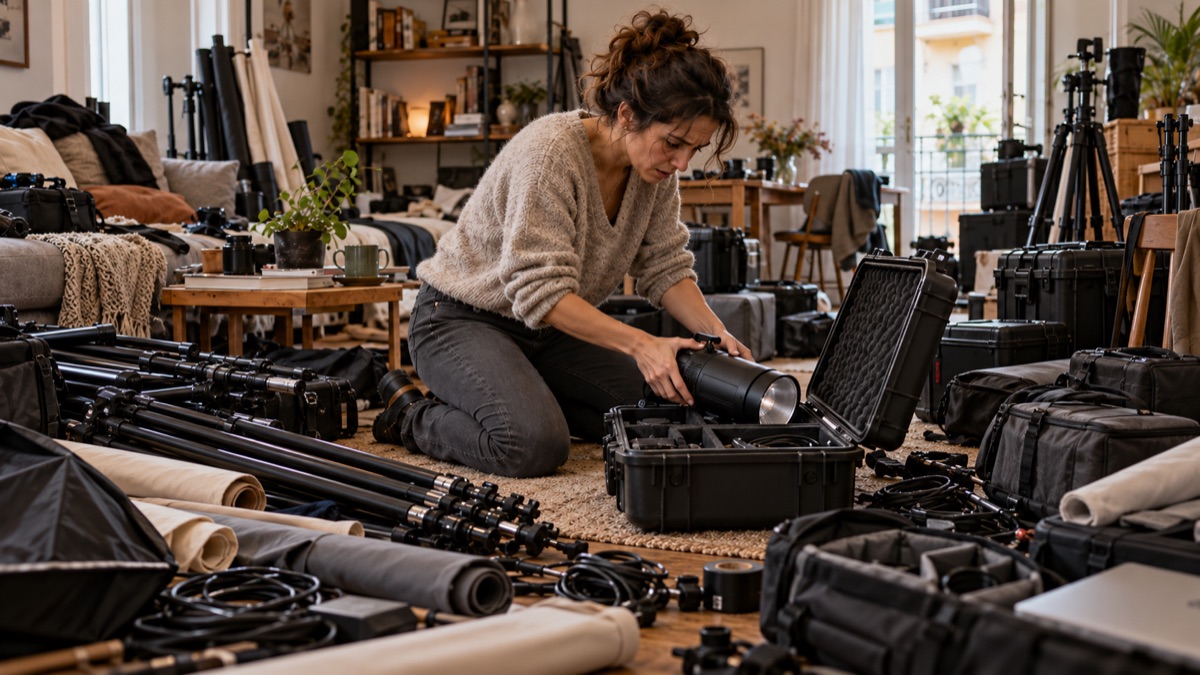
Self storage can also be useful to people who work independently and need to keep materials and equipment outside their home.
Think of tradespeople and technicians who move constantly between building sites and homes. Electricians, plumbers, decorators and other professionals use tools, ladders, spare parts and materials that do not always fit in the garage or the workshop.
A unit can become a store where you leave the equipment you don't need every day, so you don't have to bring it home each time.
Photographers, videographers and event organisers can have similar needs. Backdrops, lights, stands, display units and set-up materials are often used only for particular jobs. Keeping them in a separate space frees up your home and makes it easier to organise getting around.
Sales agents and representatives may also need a store for samples, catalogues and promotional materials to take to appointments or trade fairs.
For professional practices, on the other hand, the problem may be paper archives, unused furniture or equipment left over from moving offices. In these cases it is important to also consider storage conditions and the confidentiality of documents.
Small shops and e-commerce businesses that need to store stock can benefit from self storage, as long as the facility allows this use and the way they work is compatible with the service.
Different professions, one need: a dedicated place to keep work equipment, without necessarily renting a whole warehouse.
Renting a unit or a warehouse for your business: the differences
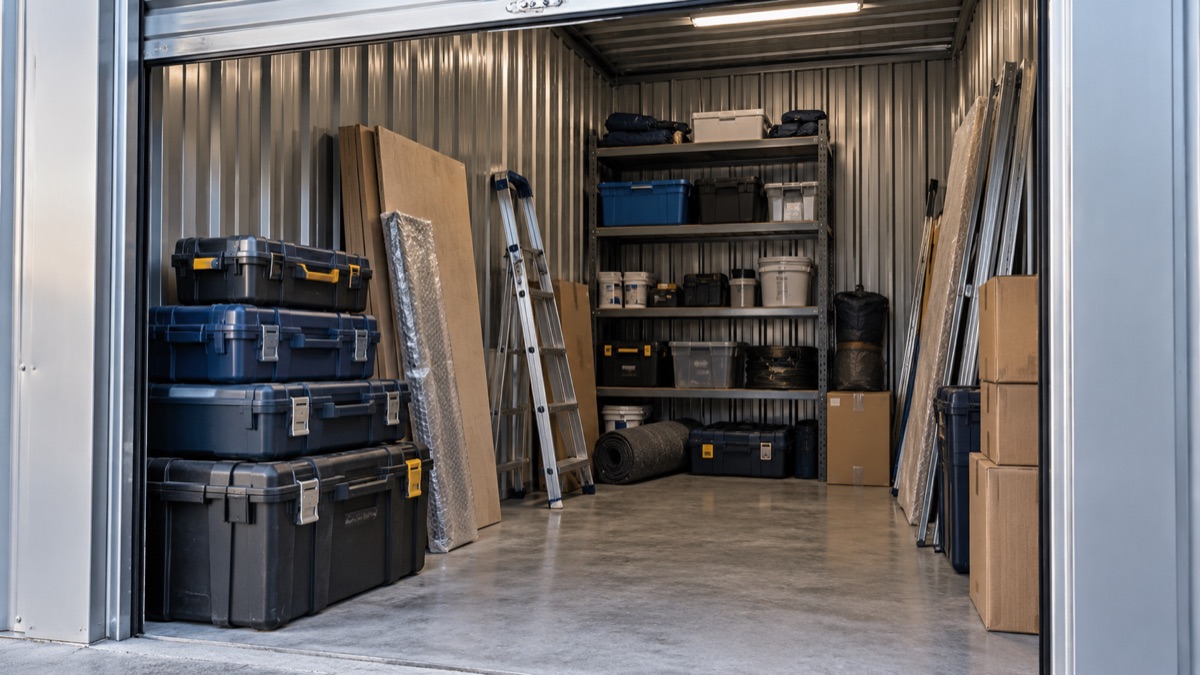
When equipment starts to pile up, renting a garage or a warehouse is the natural thought.
They are valid alternatives, but they don't always meet the same needs.
A traditional warehouse may be more suitable when you need to handle goods regularly, organise logistics or carry out other business operations permitted in the property.
Self storage, on the other hand, is designed mainly for storing frequently moved items, for periods of time that can vary.
A self storage unit is not automatically a workshop, a garage for repairs or a business premises. What you are allowed to do depends on the facility's rules and on the applicable regulations.
The distinction also concerns how your things are handled. With self storage you are generally the one who transports and arranges your belongings, whereas a storage service run by a company may include collection and redelivery.
Think about how you actually intend to use the space. A store where you occasionally pick up equipment needs different features from premises where you work every day.
How to choose self storage for work equipment and materials
If you are often on the move, where the store is can affect how your day is organised.
A facility near home can be convenient when you need to pick up your tools before setting off. If instead you work mainly in a particular area, it may be more useful to look for a facility along the routes you usually take.
Distance, however, is not the only thing to consider.
If you carry heavy or bulky materials, check that you can reach the facility by van and whether there is parking, trolleys or a goods lift. These features can make loading and unloading easier.
Access hours deserve particular attention. A tradesperson may need to pick up equipment early in the morning or bring it back to storage after a day's work.
Some facilities allow access outside office hours, while others have set time slots. Before choosing, make sure the hours fit your work.
Security is another important aspect.
Electronic tools and professional equipment can be worth a lot. Ask about video surveillance, entry control systems and the other measures the facility has in place.
If you need to store photographic equipment, documents or materials sensitive to damp, also ask about the conditions inside.
Also check what you are actually allowed to store.
Paints, solvents, gas cylinders, flammable substances and other potentially dangerous products may be prohibited. The rules depend on the facility and need to be clarified before you bring materials in.
To find the right unit, describe to the advisor what you need to store. Mention the bulkiest equipment, anything that can be dismantled, any delicate items and how often you expect to collect them.
The operator will work out the space you need based on your belongings and your needs.
Quote and contract: what to check for business use

Before renting a unit, tell the operator that you intend to use it to store things related to your business.
This matters because some facilities may have specific terms for business customers.
If you are registered for VAT, ask whether the contract can be in your business's name and what tax documents are issued. For any questions about whether the cost is tax-deductible, speak to your accountant.
When you ask for a quote, consider the total cost of the service, not just the advertised rent.
Ask for the total price and any additional costs to be stated, such as deposits, insurance or optional services.
Pay particular attention to the insurance cover. Check whether it includes the professional equipment you want to store, which risks it covers and what exclusions or limits apply.
The length of the contract can also be decisive.
If you only need the store for the duration of a job or to keep materials between one event and the next, ask about the minimum rental period, how renewal works and any notice period for ending the service.
Some facilities may also let you switch units during the contract, depending on availability and their terms.
Finally, clarify the rules for business use.
If you plan to let colleagues access the unit, receive deliveries or use the store for particular needs, ask the operator in advance which activities are allowed.
Don't assume that a self storage facility will accept goods deliveries for you or can be used as your business address.
Knowing these terms before you sign will help you choose a store that fits your work and avoid problems later on.
---
For a tradesperson, a photographer or a freelancer, keeping work equipment separate from personal belongings can make day-to-day organisation simpler.
Self storage is an option worth considering when you need to keep materials in a private space, without using the store as a workshop or office.
On TrovaStorage.it you can search for self storage facilities in the area you are interested in, look through the information available and find the facilities to contact.
You can also select up to three facilities and send a free request for advice and a quote, with no obligation.
Describe your business, the equipment to be stored, how long you expect to need it and your access needs. The selected operators will reply directly with information on availability, the right space, the total price and the rental terms.
That way you can compare the offers and choose a store that meets the real needs of your work.